
Energy-Based Treatments Explained | Op. Dr. Ebru Ünal
Laser and radiofrequency treatments stimulate collagen through controlled heating of vaginal tissue. They may support dryness, mild laxity and mild urinary leakage. They do not replace surgery for significant laxity and usually require several sessions with maintenance over time.
What are energy-based treatments?
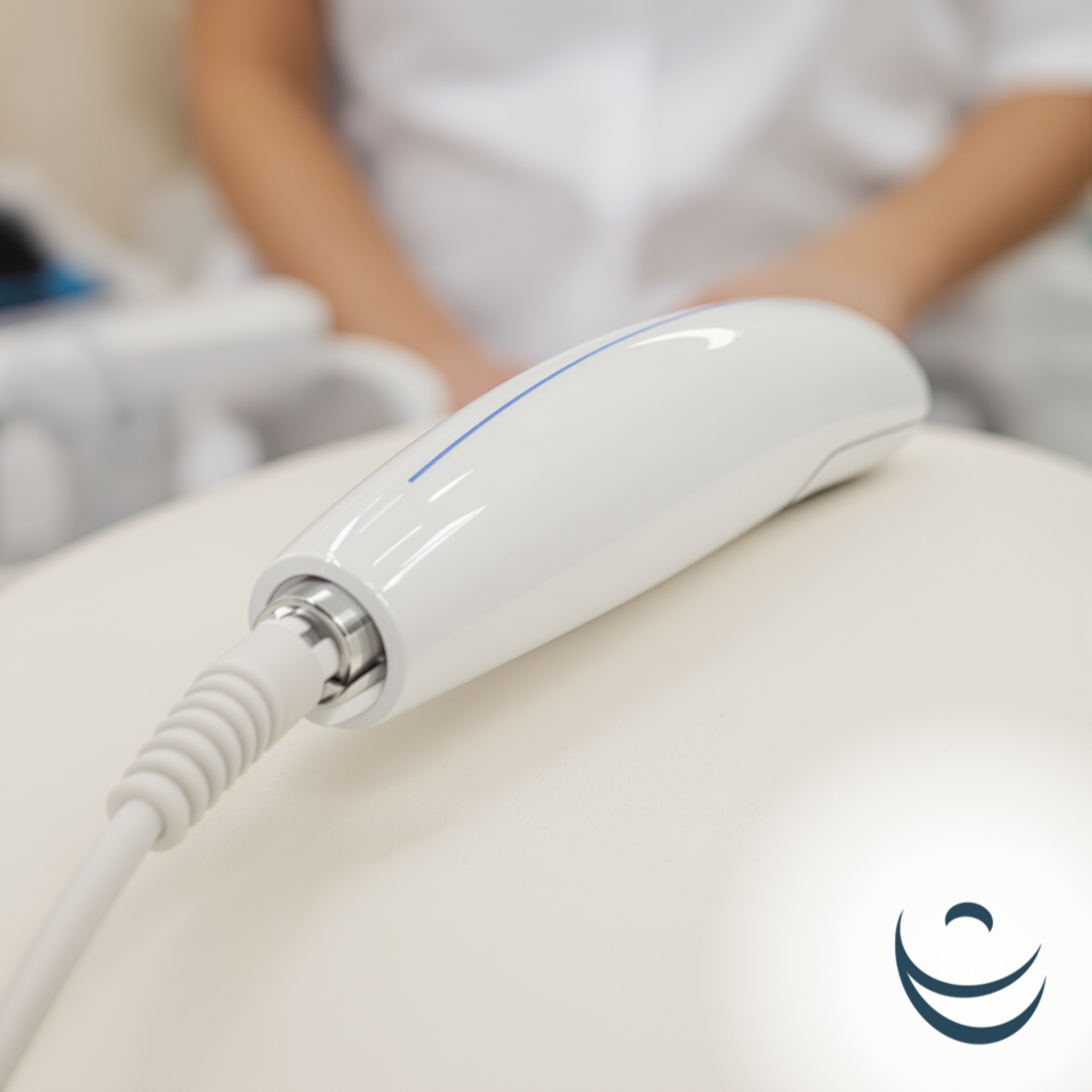
Energy-based treatments in cosmetic gynecology are non-surgical methods that use laser or radiofrequency to create a controlled healing response and support collagen production in vaginal tissue. These treatments are increasingly popular for their non-invasive nature and potential benefits for various concerns related to vaginal health.
How does fractional laser act on vaginal tissue?
Fractional laser treatments utilize focused light energy to gently heat the vaginal tissue. This process stimulates collagen remodeling, enhancing tissue elasticity and potentially improving symptoms like dryness and mild laxity. The American College of Obstetricians and Gynecologists (ACOG) suggests laser therapy is beneficial for certain conditions, although multiple sessions are often required to achieve desired outcomes.
How does radiofrequency differ?
Radiofrequency treatment uses electrical currents to generate heat within the vaginal tissue, promoting collagen production and tightening. Unlike lasers, radiofrequency tends to penetrate deeper layers, allowing for targeted treatment of specific areas. This method is often chosen to address mild urinary incontinence and improve the sensation of tightness without surgical intervention.
Which concerns can they address?
Energy-based devices can be used to address vaginal dryness, mild laxity, and urinary incontinence. They work by improving blood circulation and stimulating new collagen fibers, helping restore natural vaginal function. However, ISSVD and ISAPS emphasize that these treatments are most suitable for patients with mild concerns and should not replace traditional surgical options for significant conditions.
How is a session plan built?
Session planning for energy-based treatments involves individualized assessment by a qualified physician. Op. Dr. Ebru Ünal typically starts with a consultation to understand each patient's specific needs and concerns. The number of sessions varies, usually requiring multiple visits initially and periodic maintenance sessions to sustain results. This tailored approach ensures the most effective outcome possible.
Limitations and realistic expectations
While energy-based treatments offer potential benefits, they have limitations and cannot replace surgery for all patients. Significant vaginal laxity or severe incontinence often require surgical intervention. According to ACOG and other medical guidelines, patients should maintain realistic expectations and understand that results may vary based on individual conditions.
Who is not a candidate?
Pregnant individuals, those with infections or untreated medical conditions affecting the pelvic region may not be candidates for these treatments. A thorough evaluation is essential to determine eligibility and ensure safety.
Using devices alongside surgery
In some cases, energy-based devices may be used in conjunction with surgical procedures to enhance and maintain results. They can be part of a comprehensive treatment plan for patients seeking long-term improvements in vaginal health.
Frequently Asked Questions
Is the treatment painful?
Most patients experience minimal discomfort during the procedure, often described as a warming sensation. Anesthesia is typically not required.
How many sessions are needed?
The number of sessions varies, generally requiring two to four initial treatments with maintenance sessions every six to twelve months.
How long do results last?
Results can last several months, with maintenance sessions recommended to sustain improvements.
Can it replace surgery?
No, energy-based treatments cannot replace surgery for significant laxity or severe conditions. They are best suited for mild cases.
Is vaginal laser as effective as surgery?
No; surgery remains the option for significant laxity, while energy-based devices support selected mild cases.
This article is for informational purposes only. Consult a physician for diagnosis and personalized treatment recommendations. Book an assessment to see whether device-based treatment suits you.


Comments