
Vaginal Tightening: Surgery vs Laser | Op. Dr. Ebru Ünal
There are two main approaches to vaginal tightening: surgical vaginoplasty and energy-based treatments using laser or radiofrequency. Surgery is considered for significant laxity, while energy-based options may suit milder cases. The right choice follows examination and pelvic floor assessment.
Why does vaginal laxity develop?
Vaginal tightening refers to surgical or energy-based treatments that aim to support vaginal tissue that has become lax after childbirth or with ageing. These changes are often due to the stretching and weakening of the muscles and connective tissues supporting the vaginal canal, which can result from factors like childbirth, hormonal changes, and ageing.
What is surgical vaginoplasty?
Surgical vaginoplasty is a procedure aimed at tightening the vaginal muscles and surrounding tissues. It involves removing excess vaginal lining and reinforcing the pelvic floor muscles to enhance support and structure. This surgical option is typically considered for individuals experiencing significant laxity and requires a detailed assessment by Op. Dr. Ebru Ünal to determine suitability.
Recovery times
The recovery time for surgical vaginoplasty can vary, but generally, patients may expect several weeks of healing. During this period, activities such as heavy lifting and intense exercise are often limited to ensure optimal recovery. It is essential to follow the post-operative care instructions provided by your physician.
How do energy-based treatments work?
Energy-based treatments for vaginal tightening, including laser and radiofrequency, function by stimulating collagen production within the vaginal tissues. Collagen is a protein that contributes to the elasticity and firmness of tissues. These non-surgical procedures utilize controlled energy to induce a healing response, leading to gradual tightening and rejuvenation of the vaginal walls.
Durability of results
The durability of results from energy-based treatments may vary, and they often require maintenance sessions to sustain the effects. Unlike surgical procedures, which aim for more permanent tissue tightening, laser and radiofrequency treatments provide a less invasive option with a generally shorter recovery period. Continued evaluation by a healthcare provider helps manage patient expectations.
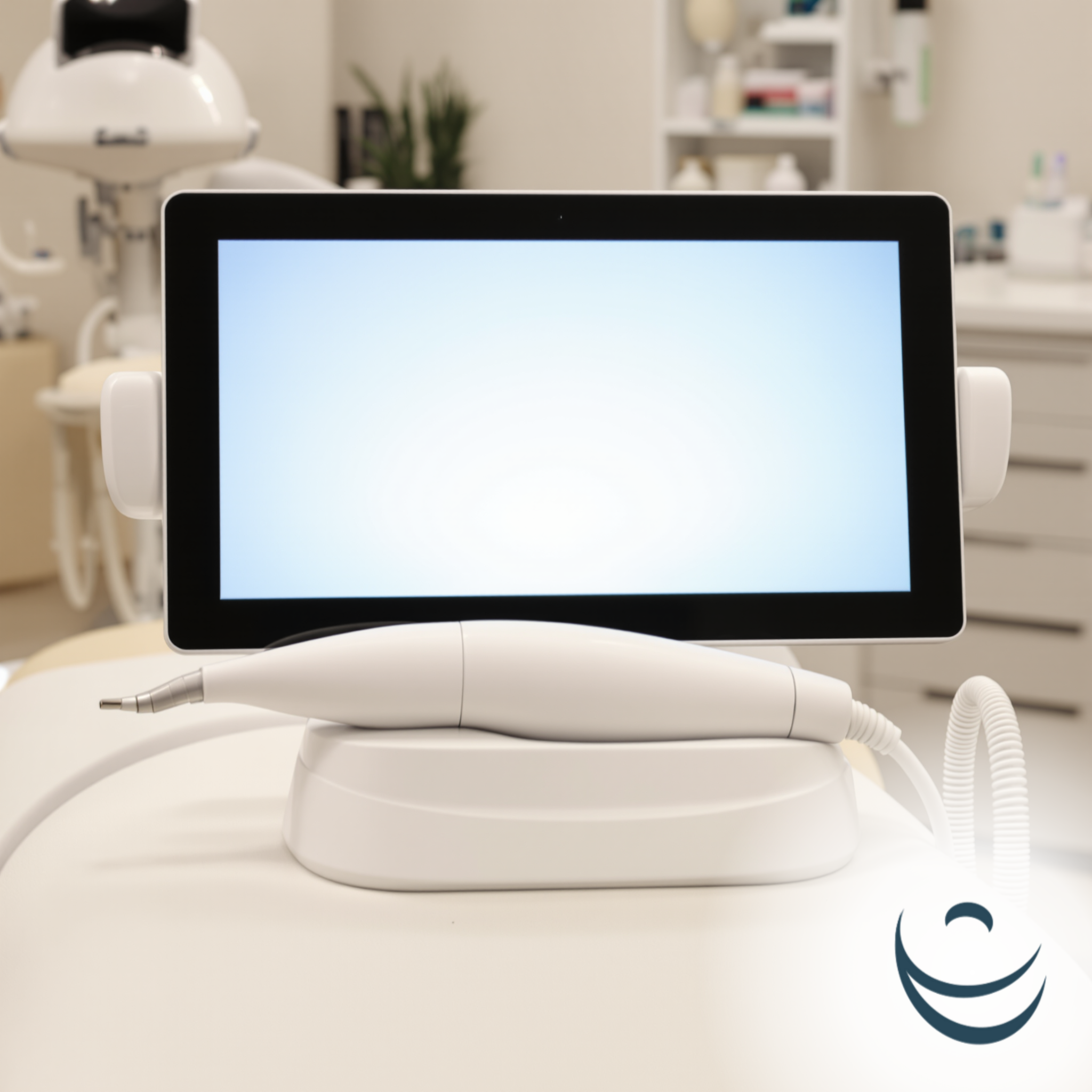
Comparing the two approaches
When comparing surgical and non-surgical options for vaginal tightening, the degree of vaginal laxity often dictates the most appropriate treatment. Surgical vaginoplasty offers a more long-term solution for significant laxity, while laser and radiofrequency treatments provide less invasive alternatives that may be sufficient for mild to moderate cases. A thorough evaluation by Op. Dr. Ebru Ünal as part of your pelvic floor assessment assists in determining the best option.
Who is suited to which option?
The suitability of each vaginal tightening method depends largely on the individual's specific condition and expectations. Surgical options are typically recommended for those with a greater degree of laxity, whereas non-surgical treatments like laser and radiofrequency are considered for mild to moderate laxity. An assessment by a qualified professional is essential to choose the most effective treatment pathway.
Where pelvic floor training fits
Pelvic floor exercises are often suggested as a non-invasive first step in addressing vaginal laxity. These exercises help strengthen the muscles supporting the vaginal area and can complement both surgical and non-surgical treatments. However, they might not be sufficient alone for those with significant laxity and should be considered part of a comprehensive treatment plan.
Questions asked during assessment
During a consultation, several questions may be examined to tailor the most appropriate treatment plan. These can include inquiries about the degree of laxity, lifestyle factors, prior treatment attempts, and reproductive plans. Such assessments ensure that patients receive personalized care that aligns with their health objectives.
Frequently Asked Questions
Can laser replace surgery?
Laser treatments can be an option for those with mild to moderate vaginal laxity but are less suitable for significant laxity, where surgery may be more effective.
How long is the recovery?
Recovery times differ, with surgical procedures requiring several weeks while non-surgical treatments generally allow a quicker return to normal activities.
Are pelvic floor exercises enough?
Pelvic floor exercises can be beneficial for mild laxity and prevention but may not suffice for significant tightening on their own.
Is it suitable if I plan more pregnancies?
For those planning future pregnancies, non-surgical options often pose fewer risks of complications but discuss all plans with your physician for tailored advice.
Are non-surgical treatments permanent?
Their effect is generally more limited and may require maintenance sessions over time.



Comments